
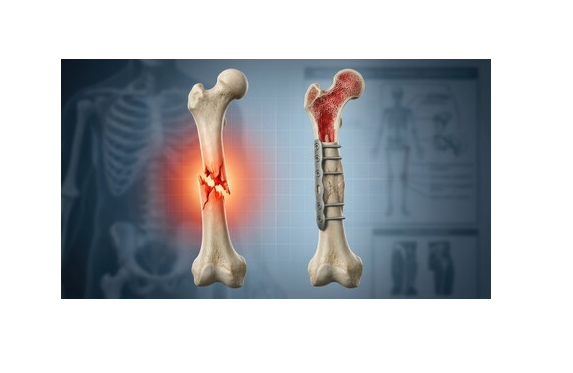
Knowing how to take care of internal fixation device at home is vital when it comes to proper and faster healing of the bones after an injury. The devices play an important role when it comes to repair and stabilization of a broken bone.
What does ORIF Mean
- Open Reduction: The surgeon makes an incision to realign (set) the broken bone properly.
- Internal Fixation: Special devices are placed inside the body to hold the bone in the correct position while it heals.
What the “Device” Includes
The internal fixation part involves medical implants such as:
- Metal plates – attached along the bone
- Screws – hold the plate or bone fragments together
- Rods (intramedullary nails) – inserted inside the bone
- Pins or wires – used for smaller bones or fragments
These are usually made of stainless steel or titanium, which are safe for the body.
The metal implants used in ORIF (plates, screws, rods) are usually left inside the body permanently unless they cause problems.
How To Take Care Of Internal Fixation Device At Home
Caring for an Open Reduction Internal Fixation (ORIF) site at home is mainly about protecting the surgical area, preventing infection and allowing proper healing of the bone and surrounding tissues.
Here’s a clear, practical guide:
- Wound Care
- Keep the incision clean and dry at all times.
- Follow your doctor’s instructions on when to change dressings.
- Wash hands thoroughly before touching the wound.
- Do not apply creams, oils, or powders unless prescribed.
- Watch for signs of infection:
- Redness or warmth
- Swelling
- Pus or bad smell
- Fever
- Protect the Fixed Bone
- Avoid putting weight on the affected limb unless advised.
- Use crutches, a walker, or sling as instructed.
- Do not tamper with or try to feel the metal implants (plates, screws, rods).
- Keep splints or casts intact—don’t remove them yourself.
- Activity and Movement
- Follow your physiotherapy plan strictly.
- Start with gentle movements to prevent stiffness (only if approved).
- Avoid heavy lifting or sudden movements.
- Elevate the limb (if applicable) to reduce swelling.
- Medication Management
- Take all prescribed medications such as:
- Pain relievers
- Antibiotics (if given)
- Do not skip doses or stop early, especially antibiotics.
- Avoid self-medicating without consulting your doctor.
- Nutrition for Healing
- Eat foods rich in:
- Protein (eggs, beans, meat)
- Calcium (milk, yogurt, leafy greens)
- Vitamin C (fruits like oranges)
- Drink enough water.
- Avoid smoking and alcohol—they delay healing.
- Hygiene and Bathing
- Avoid soaking the wound (no bathtubs/swimming) until healed.
- Use a waterproof cover when bathing if necessary.
- Keep casts or dressings dry.
- When to Seek Medical Help
Contact your doctor immediately if you notice:
- Severe or increasing pain
- Numbness or tingling
- Loss of movement
- Signs of infection
- Bleeding that doesn’t stop
- Follow-Up Appointments
- Attend all scheduled clinic visits for:
- Wound checks
- Removal of stitches
- X-rays to monitor bone healing
In summary, proper care after an Open Reduction Internal Fixation (ORIF) procedure plays a crucial role in ensuring smooth and complete bone healing. By keeping the wound clean, protecting the affected limb, following medication and physiotherapy instructions and maintaining a healthy diet, you significantly reduce the risk of complications. Staying alert to warning signs such as infection or unusual pain and attending all follow-up appointments will help your healthcare provider monitor your recovery effectively. With patience, consistency, and the right care, most individuals regain strength, mobility, and return to their normal daily activities successfully.